

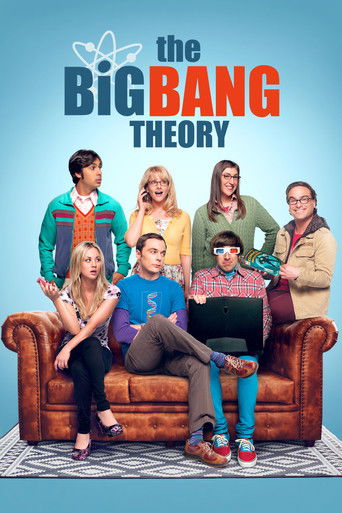
 The Big Bang Theory2007 · TV show · 7.9
OVGuide
184 titles in three channels, each with its cast, its rating and a Watch now button.
The Big Bang Theory2007 · TV show · 7.9 Grey's Anatomy2005 · TV show · 8.2
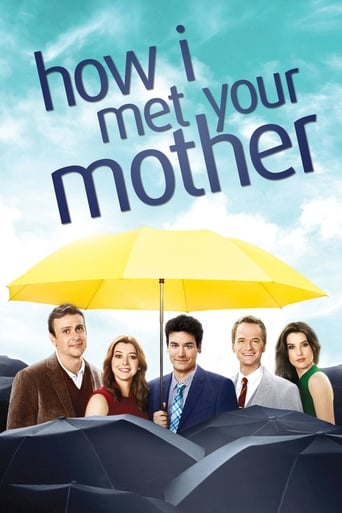 How I Met Your Mother2005 · TV show · 8.1
 Modern Family2009 · TV show · 7.9
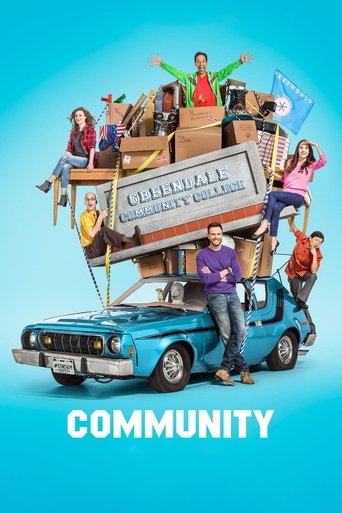 Community2009 · TV show · 8.0







Category index
- Top rated (30)
- Movies (92)
- TV Shows (58)
- Documentaries (34)
- Comedy (104)
- Drama (70)
- Romance (39)
- Family (49)
- Music (37)
- Adventure and fantasy (35)
- British TV (11)
- Kids and teen TV (15)
- Up to 2007 (78)
- 2008 to 2010 (57)
- 2011 to 2013 (49)
The OVGuide guide
OVGuide: an online video guide to movies, TV shows and documentaries, from Finding Nemo, Ratatouille and Hugo to The Big Bang Theory, Downton Abbey, Senna and Stop Making Sense
The letters OV stand for online video, and the word that follows them says what the site does with it. OVGuide is a guide: a place where a visitor looks a title up, reads what it is and is sent on to a service that plays it. The site holds 184 titles in three channels, movies, TV shows and documentaries, and every one of them has a page with a cast, a rating, a summary and a single Watch now button.
The movies and TV shows were all released between 2003 and 2013, a decade that began with Finding Nemo and closed with The Secret Life of Walter Mitty. The documentaries are allowed a longer memory and reach back to 1964. In figures, the guide holds ninety-two movies, fifty-eight TV shows and thirty-four documentaries; the TV shows amount to 265 seasons and 4,844 episodes, and the features to about 218 hours. Each title was screened by hand for a family audience, so the channels lean towards comedy, adventure, warm drama, music and true stories told with care.
This guide walks through the home page from the top, then through each channel and category, and ends with practical answers. A reader in a hurry may start with How to watch with OVGuide, which covers the whole routine in four short steps.
How OVGuide works
The home page is white and plain, in the manner of a directory. At the top are the logo, a wide search box with a green button, and a link to My Guide. Under them runs a blue bar holding the three channels, three popular categories and the A-Z index. Everything below the bar is arranged in modules: a featured still, a numbered top ten, five rows of posters and a grey panel that indexes every list on the site.
A title page follows one pattern across all three channels. The poster and the name come first, with the year, the length and the score. A summary gives the premise in a few lines. The cast and the makers are listed, and a TV show page continues with its seasons and dated episodes. Beside the Watch now button is a country selector with fifteen countries; choosing one and pressing the button opens the title on JustWatch, where the subscription, rental, purchase and free services for that country are set out side by side.
The search box accepts a title, an actor, a director or a studio. Typing Pixar brings up Finding Nemo and Ratatouille; typing Scorsese brings up Hugo and The Last Waltz, a family adventure and a concert film by the same director, thirty-three years apart. That second result shows why a guide with three channels is useful: a maker's work is gathered in one place, whatever form it took.
The featured still and the top ten
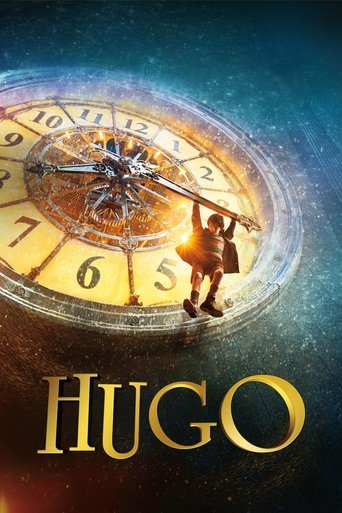
The widest object on the home page is the featured still, a frame from one title with its name and the opening of its summary laid over the lower edge. At present it shows Hugo, Martin Scorsese's film of 2011 about an orphan who lives inside the walls of a Paris railway station and keeps its clocks running. Hugo is repairing a mechanical figure left by his father, and the search for its missing key leads him to the toy seller Georges Méliès, played by Ben Kingsley, who turns out to be one of the first great makers of films. It is a story about the birth of cinema told as an adventure for children, which suits the head of a video guide.
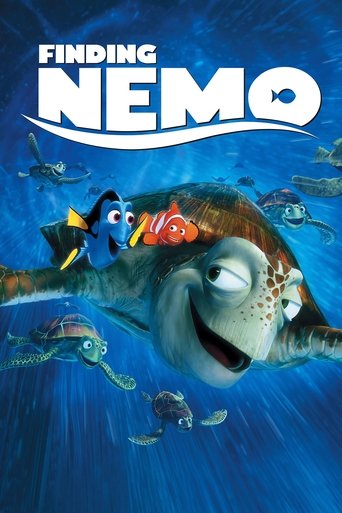
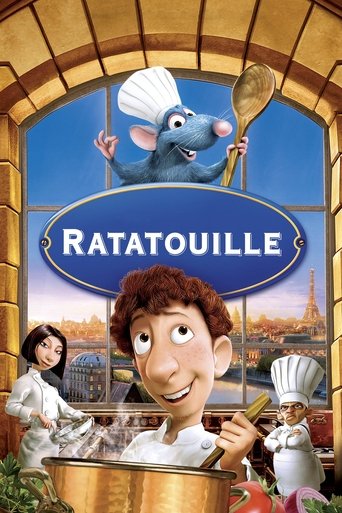
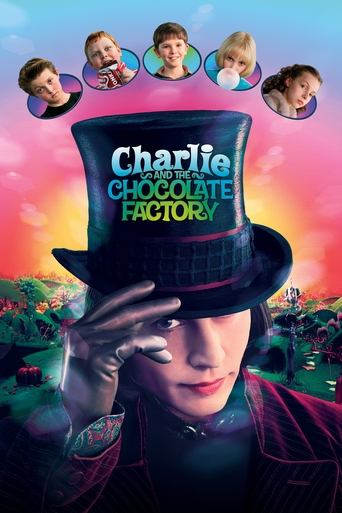
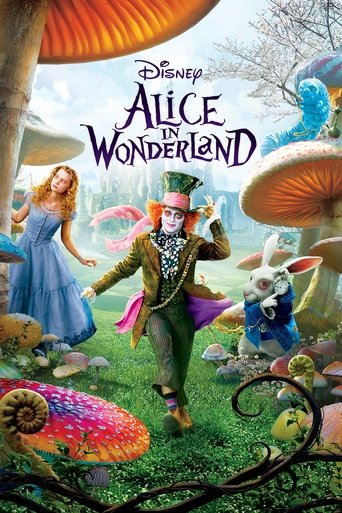
To the right of the still stands the top ten, a numbered list in the manner of a box office chart. Its order is set by audience size, measured by the number of ratings each title has received. Finding Nemo is first and Ratatouille second, followed by Charlie and the Chocolate Factory, Alice in Wonderland and The Social Network. Two TV shows hold the sixth and seventh places, The Big Bang Theory and Grey's Anatomy, and the list closes with The Terminal, The Secret Life of Walter Mitty and Little Miss Sunshine. The green figure beside each name is its average score out of ten. The top ten guide explains the list in more detail.
The ten form a fair portrait of the decade. Two are Pixar features, two are Tim Burton fantasies with Johnny Depp, one is a Steven Spielberg comedy set entirely in an airport, one is the story of how a website was founded in a college room, and one is a road film about a family in a yellow van. The two TV shows between them ran for more than seven hundred episodes.
The movies channel
The movies channel holds ninety-two films, and the largest group among them is made for families. Finding Nemo sends a nervous clownfish named Marlin across the ocean to find his son, with the forgetful Dory beside him. Ratatouille puts a rat with a gifted nose in a Paris kitchen, where he cooks by guiding a young man's hands from under his hat. The Croods follows a prehistoric family out of its cave and into a bright new world. Charlie and the Chocolate Factory takes five children through Willy Wonka's works, and Alice in Wonderland returns a grown Alice to a land she visited as a child.
A second group tells true stories. The Social Network, directed by David Fincher from a script by Aaron Sorkin, follows the founding of Facebook and the disputes that came after. Moneyball has Brad Pitt as Billy Beane, the general manager who rebuilt the Oakland Athletics with statistics. Julie & Julia sets Meryl Streep's Julia Child, learning to cook in 1950s Paris, beside a New York writer who cooks through her book fifty years later. Ray gave Jamie Foxx an Academy Award for his portrait of Ray Charles, and Jobs has Ashton Kutcher as the co-founder of Apple.
The third group is the small, well-loved film. In Little Miss Sunshine the Hoover family drives from New Mexico to California so that seven-year-old Olive can enter a pageant. The Way Way Back gives a shy fourteen-year-old a summer job at a water park and a friend in its manager, played by Sam Rockwell. The Kings of Summer sends three boys into the woods to build a house of their own, and Flipped, directed by Rob Reiner, tells one childhood romance twice, once from each side of the street. The movies guide lists more from each group.
The TV shows channel
Fifty-eight TV shows fill the second channel, and comedy leads it. The Big Bang Theory ran for twelve seasons and 279 episodes on the friendship of four scientists in Pasadena and the neighbour across the hall. How I Met Your Mother is a story told by a father to his children, 208 episodes long, most of it set in a booth at a New York pub. Modern Family follows three related households in the style of a documentary, with the characters speaking to the camera between scenes, and Community gathers a study group at Greendale Community College whose episodes parody every kind of film and programme.
Drama holds the longest run in the guide. Grey's Anatomy began in 2005 with Meredith Grey's first day as a surgical intern in Seattle and has reached 461 episodes. Its spin-off Private Practice moves Addison Montgomery to a clinic in Los Angeles. Friday Night Lights is set in the Texas town of Dillon, where high-school football shapes the week, and its portrait of the marriage of Coach Eric Taylor and Tami Taylor is among the best on television. The Newsroom, written by Aaron Sorkin, follows a cable news team through twenty-five episodes, and Boston Legal ends most of its hours with two lawyers talking on a balcony.
A third strand deals in wonder. Merlin imagines the wizard as a young servant at Camelot who must hide his gifts while protecting Prince Arthur. Warehouse 13 sends two agents to South Dakota to guard a store of strange objects, and Eureka makes a sheriff the most ordinary man in a town of inventors. Journeyman gives a San Francisco reporter sudden trips into the past across thirteen episodes, and Kyle XY begins with a boy who wakes in a forest with an empty memory and a remarkable mind. The TV shows guide sorts the channel by kind.
The documentaries channel
The third channel holds thirty-four documentaries and keeps a wider calendar than the other two, from 1964 to 2013. Its oldest title is Seven Up!, a forty-minute film that interviewed a group of British seven-year-olds about their lives and hopes; 7 Plus Seven returned to the same children at fourteen, and the series went on visiting them every seven years.
The portraits come next. Senna tells the life of the Brazilian racing driver Ayrton Senna entirely through archive film, with voices laid over the pictures in place of interviews to camera. Marley is Kevin Macdonald's long account of Bob Marley, with the family and the musicians who knew him. Grey Gardens visits a mother and daughter, both named Edith Beale, in their crumbling house in East Hampton, and American Movie spends two years with a Wisconsin man determined to finish a short film with the help of his friends and his uncle.
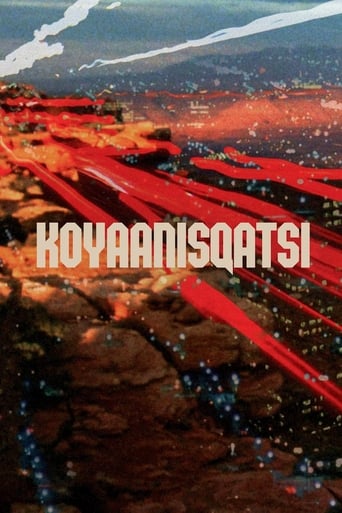
Several documentaries look at how things are made. Waking Sleeping Beauty recounts the revival of Disney animation between 1984 and 1994, using film shot inside the studio at the time. Corman's World celebrates the producer Roger Corman, who gave many famous directors their first jobs. Sound City, directed by Dave Grohl, is about a recording studio in Van Nuys and the mixing desk at its heart. Koyaanisqatsi stands apart from all of these: eighty-six minutes of images of nature and cities, set to music by Philip Glass, with the title, a Hopi word, as almost its only text. The documentaries guide has more.
The module rows
Under the featured still the home page is built of five rows, each headed by a name, a counter and a See all link. The counter reads "1 of" followed by a number, which is the number of rows of five that the full list would fill; TV Shows reads 1 of 12, Movies 1 of 19 and Documentaries 1 of 7. The See all link opens the complete list with its count in brackets.
The rows are TV Shows, Movies, Documentaries, Family and Music, in that order. Each shows five posters, chosen by audience size, and a title that has appeared in one row is passed over in the next, so the twenty-five posters on the page are twenty-five different titles. Under each poster are the name in link blue, the year, the kind and the score.
The arrangement rewards a visitor who has only a minute. The first row offers the most-watched TV shows, the second the most-watched films, and by the fifth row the page has moved from the biggest names to the concert films and musicals that a search might have missed.
The category index
At the foot of the modules is a grey panel in four columns, the category index. It lists every collection on the site with its count: the three channels, eight categories, three periods and the top rated list, fifteen entries in all. The reference design carried a long index of this kind, running from animals to viral clips; the present one is shorter and each entry opens a finished list.
The index is the quickest way to see the shape of the catalogue. Comedy is the largest category with 104 titles, drama follows with seventy, and British TV is the smallest with eleven. The three periods divide the titles by year: seventy-eight up to 2007, fifty-seven from 2008 to 2010 and forty-nine from 2011 to 2013. The finding a title page describes the index together with the search box and the A-Z list.
Comedy
More than half the guide can be found under comedy, 104 titles in all, and the workplace is one of its favourite settings. The IT Crowd is set in the basement of a London company, where two technicians and a manager who knows little about computers answer the telephone with the same question every time. Better Off Ted takes place at Veridian Dynamics, a firm whose cheerful advertisements interrupt many episodes. Morning Glory puts Rachel McAdams in charge of a failing breakfast programme and Harrison Ford in front of its camera, and Ugly Betty sends a young woman from Queens to work at a fashion magazine.
Family comedy is as well supplied. The Middle follows the Heck family of Indiana through 215 episodes of ordinary trouble, told by the mother. The Goldbergs looks back at a loud and loving household of the 1980s. Cheaper by the Dozen gives Steve Martin twelve children, and RV gives Robin Williams a motorhome and a holiday his family did little to ask for. Friday Night Dinner returns each week to the same table in north London, and Last Man Standing has Tim Allen as a father of three daughters.
Then there are the comedies of friendship. Flight of the Conchords follows two musicians from New Zealand trying their luck in New York, with a song or two in every episode. Miranda is Miranda Hart's sitcom about the owner of a joke shop, played to the audience with glances at the camera. Gavin & Stacey begins with a telephone romance between a man from Essex and a woman from Barry in Wales and widens to take in both families. The comedy guide sets out the category by setting.
Drama
The drama category holds seventy titles, and period drama is among its strengths. Downton Abbey opens in 1912 with news of the Titanic and follows the Crawley family and their servants through the years that changed the great houses of England, with Maggie Smith as the Dowager Countess. North & South, from the novel by Elizabeth Gaskell, brings Margaret Hale from the rural south to the mill town of Milton and into argument with the manufacturer John Thornton across four episodes. Jane Eyre, with Ruth Wilson, tells Charlotte Brontë's story in four parts.
On film, The Terminal has Tom Hanks as Viktor Navorski, a traveller who must live in a New York airport for months while his papers are sorted out, and who makes friends of the people who work there. Hachi: A Dog's Tale retells a Japanese true story in an American town: an Akita who walks his master to the station each morning and waits for him each evening. Up in the Air follows George Clooney as a man who lives in airports by choice, and Water for Elephants joins a travelling circus in the 1930s.
Sports drama has its place as well. Moneyball is as much about an idea as about baseball. Trouble with the Curve sends an ageing scout, played by Clint Eastwood, on a last trip with his daughter. Goal! follows a young player from Los Angeles to Newcastle United, and Wimbledon gives a British tennis player one final tournament. The drama guide names more.
Romance
Thirty-nine love stories make up the romance category, and the finest of them is mostly conversation. Before Sunset runs for eighty minutes, close to the length of the afternoon it shows: Jesse and Céline, who met on a train nine years earlier, walk through Paris before his flight home. One Day visits Emma and Dexter on the same date, the fifteenth of July, across two decades. Like Crazy keeps a British student and an American student apart by an ocean and a visa.
The lighter side is led by The Holiday, in which two women exchange houses for Christmas, one in Los Angeles and one in a Surrey village, and each finds company she had given up expecting. 27 Dresses is about a perpetual bridesmaid, Music and Lyrics pairs Hugh Grant's faded pop star with Drew Barrymore's reluctant lyricist, and Julie & Julia contains two happy marriages, which is rarer on film than it should be. Eat Pray Love travels through Italy, India and Bali, and To Rome with Love tells four stories in one city.
For younger viewers there are Flipped, A Cinderella Story with Hilary Duff, Another Cinderella Story with Selena Gomez and Starstruck, in which a pop idol meets a girl from Michigan who is thoroughly unimpressed by him. The romance guide groups the list by mood.
Family
The family category lists forty-nine titles for all ages. Animals lead it: Marley & Me follows a couple and their unruly labrador through the years of their marriage, Charlotte's Web gives the spider the voice of Julia Roberts, Mr. Popper's Penguins fills a New York flat with six birds, and We Bought a Zoo is based on the true story of a family who did exactly that.
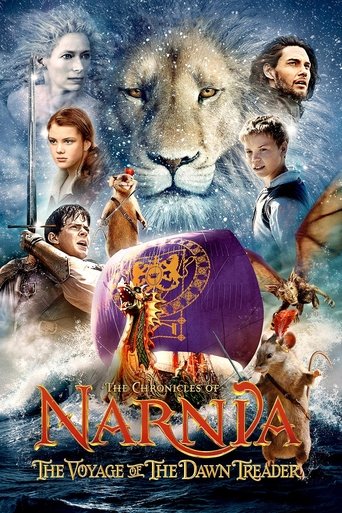
Many family titles began as books. The Chronicles of Narnia: The Voyage of the Dawn Treader sails to the eastern edge of C. S. Lewis's world. The Golden Compass opens Philip Pullman's trilogy, Inkheart imagines a father who can read characters out of their pages, and Diary of a Wimpy Kid with its sequel Diary of a Wimpy Kid: Rodrick Rules brings Jeff Kinney's cartoon notebooks to life. Gulliver's Travels and Journey to the Center of the Earth update Swift and Verne.
The season is covered too. Elf sends Buddy, raised at the North Pole, to find his father in New York. Christmas with the Kranks, Four Christmases and The Santa Clause 3: The Escape Clause supply the rest of December. The family guide sorts the category by subject.
Music
Music is the category in which the three channels meet most often. It holds thirty-seven titles: musicals from the movies channel, comedies with songs from the TV shows channel and a long shelf of concert films and music documentaries.
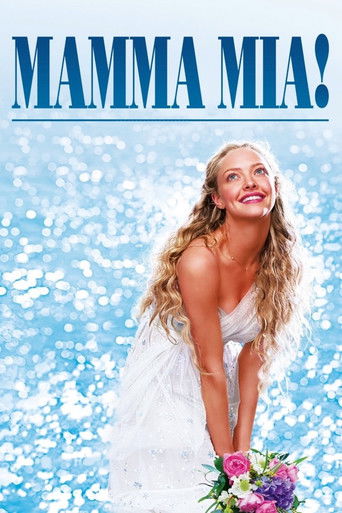
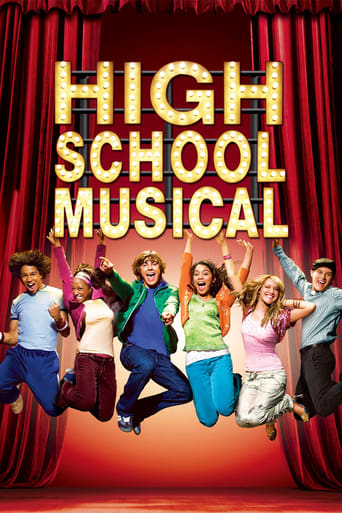
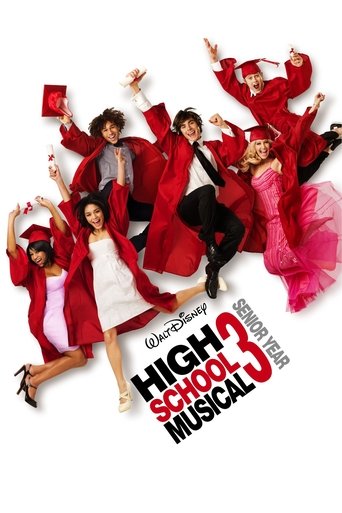
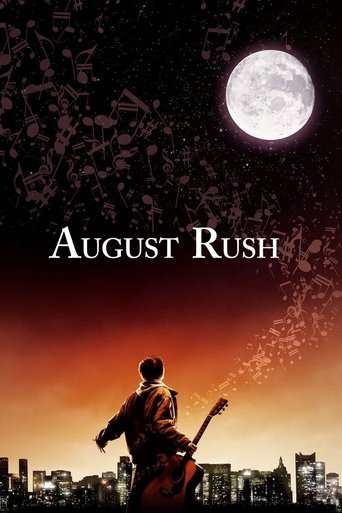
The musicals are led by Mamma Mia!, which strings the songs of ABBA along a wedding on a Greek island, with Meryl Streep and Amanda Seyfried as mother and daughter. High School Musical and its two sequels follow Troy and Gabriella through East High, from a first duet to graduation. The Muppets reunites Kermit's company to save their old theatre and won an Academy Award for the song Man or Muppet. Footloose brings dancing back to a small town, Step Up 3D moves it to the streets of New York, and August Rush follows a boy who believes that music will lead him to his parents. On television, Victorious is set in a performing arts school and Austin & Ally pairs a singer with a songwriter.
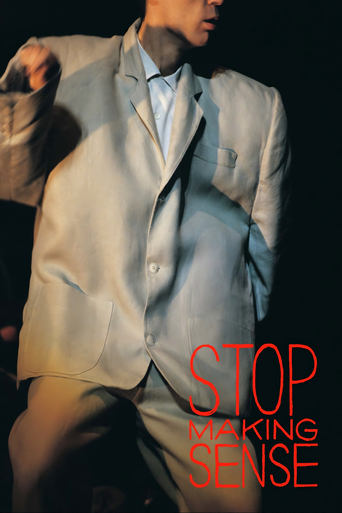
The concert films form a small history of the stage. Monterey Pop records the festival of 1967, with Jimi Hendrix, Janis Joplin and Otis Redding. Elvis: That's the Way It Is watches Elvis Presley rehearse and perform in Las Vegas in 1970, the year in which Let It Be showed the Beatles at work and playing on a London rooftop. Pink Floyd: Live at Pompeii has the band performing in an empty Roman amphitheatre. The Last Waltz, filmed by Martin Scorsese, is the farewell concert of The Band with a long line of guests, and Stop Making Sense, filmed by Jonathan Demme, builds a Talking Heads concert one musician at a time, beginning with David Byrne alone with a guitar and a tape player.
A third group goes behind the songs. 20 Feet from Stardom gives the microphone to the backing singers heard on famous records, and The Wrecking Crew does the same for the session players of Los Angeles. It Might Get Loud puts three guitarists of three generations, Jimmy Page, The Edge and Jack White, in one room. Buena Vista Social Club follows Wim Wenders to Havana, where a group of veteran Cuban musicians record together and travel to play at Carnegie Hall. The music guide sets the category out in these three groups.
Adventure and fantasy
Thirty-five titles are filed under adventure and fantasy. The journeys come first. In The Secret Life of Walter Mitty a quiet picture editor at Life magazine leaves his desk to find a missing photograph and crosses Greenland, Iceland and the Himalayas on the way. Journey to the Center of the Earth and Journey 2: The Mysterious Island treat the novels of Jules Verne as maps, and The Golden Compass sends Lyra north to a land of armoured bears.
Magic has several homes on television. Merlin ran for sixty-five episodes on the secret friendship of a young wizard and a prince. The Colour of Magic adapts the first Discworld novels of Terry Pratchett in two parts, with David Jason as the hapless wizard Rincewind. Once Upon a Time in Wonderland sends Alice back down the rabbit hole in search of a lost genie, and Lost in Austen lets a modern Londoner change places with Elizabeth Bennet through a door in her bathroom.
Science has its share. Eureka and Warehouse 13 are companion pieces, both light in tone and fond of gadgets. Sanctuary offers refuge to unusual creatures, The Tomorrow People follows young people with new abilities, and the Australian series H2O: Just Add Water and Mako: Island of Secrets turn teenagers into mermaids whenever water touches them. The adventure and fantasy guide lists them by kind.
British TV
The smallest list in the index holds eleven TV shows made in the United Kingdom, and it is among the most rewarding. Four are comedies: The IT Crowd, Miranda, Gavin & Stacey and Friday Night Dinner, with The Mighty Boosh as a fifth for those who enjoy two zookeepers, one devoted to jazz and one to fashion, wandering into fairy tales.
Three are adaptations of the classics, each four episodes long: North & South, Jane Eyre and the playful Lost in Austen. British series tend to be short, and that is part of their appeal for a busy viewer. The whole of The IT Crowd is twenty-four episodes, and Miranda is eighteen. A complete series can be finished in a week of evenings.
The remaining three are the Sunday evening kind: Downton Abbey, Merlin and The Colour of Magic. The British TV guide arranges all eleven.
Kids and teen TV
Fifteen school-age series have a list of their own. Drake & Josh makes stepbrothers of a cool musician and an anxious honours student, with a younger sister who outwits them both, and it carries a score of 8.4. iCarly has three friends producing a web show from an attic in Seattle. Victorious, Hannah Montana and Austin & Ally are about young performers, and I'm in the Band, about a teenager who joins his favourite rock group, has the highest score of any TV show in the guide at 8.6.
The family sitcoms of the same years are here as well: Good Luck Charlie, in which a teenage girl records advice for her baby sister, The Suite Life of Zack & Cody, set in a Boston hotel, Liv and Maddie, with one actress playing twin sisters, and That's So Raven, whose heroine catches glimpses of the future and usually misreads them. Dog with a Blog is exactly what its title promises.
Three periods
The catalogue can also be read by the calendar. The first period, up to 2007, has seventy-eight titles. It includes the early years of the decade's television, Drake & Josh, Boston Legal, Grey's Anatomy and The Big Bang Theory, the films Finding Nemo, Elf, The Terminal and Ratatouille, and every documentary made before the decade began, from Seven Up! to Buena Vista Social Club.
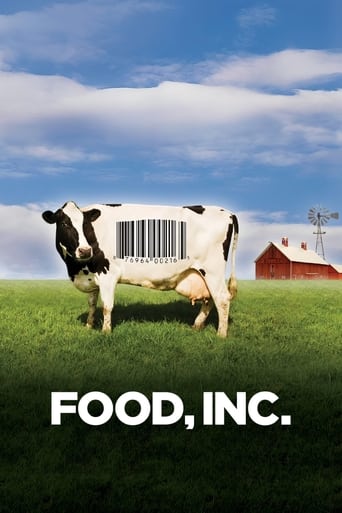
The second period runs from 2008 to 2010 and holds fifty-seven titles. These were the years of Mamma Mia!, Marley & Me and The Social Network in cinemas, and of Modern Family, Community, Merlin and Downton Abbey on television. The documentaries Senna, Anvil! The Story of Anvil and Food, Inc. belong to it too.
The third period, 2011 to 2013, has forty-nine titles, among them Hugo, Moneyball, The Muppets, The Croods and The Way Way Back, the series The Newsroom, Hart of Dixie and The Goldbergs, and the documentaries Marley, Sound City and 20 Feet from Stardom. The three periods page links to each list.
Top rated
The top rated list gathers the thirty titles that score 7.8 or higher from at least two hundred ratings. Television supplies most of it. I'm in the Band stands highest at 8.6, followed by Drake & Josh at 8.4. Victorious, Grey's Anatomy and The IT Crowd share 8.2, and a group at 8.1 includes How I Met Your Mother, Downton Abbey, The Newsroom and North & South.
Five films reach the list: Hachi: A Dog's Tale and Flipped at 8.0, and Finding Nemo, Ratatouille and Before Sunset at 7.8. The documentaries are represented by Stop Making Sense at 8.3, Senna and Pink Floyd: Live at Pompeii at 8.1 and Koyaanisqatsi at 7.9.
Two concert films score higher still with smaller audiences: Nirvana: Unplugged In New York and Metallica and San Francisco Symphony: S&M, both at 8.7. They sit just outside the list because of its threshold of two hundred ratings, and their own pages show the figure.
The decade from 2003 to 2013
The movies and TV shows in the guide belong to one decade, and it was a decade of change in how people watched. In 2003 a film was rented on a disc and a TV show was seen at its hour on its channel. By 2013 both could be played on a telephone, and a guide to online video had become an everyday tool. The reference design for this site dates from that final year, which is why the catalogue closes there.
The same years were kind to several forms. Computer animation reached maturity between Finding Nemo and The Croods. The single-camera sitcom, filmed like a small movie with the audience laughing at home, produced Modern Family, Community, The Middle and Better Off Ted. The studio sitcom with a live audience held its ground with The Big Bang Theory and How I Met Your Mother. British period drama found a worldwide audience with Downton Abbey, and school-age comedy had a golden run from Drake & Josh to Liv and Maddie.
The feature documentary grew in the same period. Senna proved that a life could be told from archive film alone, Anvil! The Story of Anvil turned a struggling band from Toronto into the heroes of a warm and funny film, and 20 Feet from Stardom won the Academy Award for its portrait of backing singers. Older films in the channel show where the form came from: Grey Gardens and Monterey Pop were made by pioneers of the hand-held camera, who followed their subjects and let events speak.
Makers to follow across the channels
Because the search box reads the names of directors and actors, the guide can be explored by maker. Martin Scorsese is behind Hugo and The Last Waltz. Aaron Sorkin wrote The Social Network, Moneyball, with Steven Zaillian, and The Newsroom, and the quick, overlapping speech of all three is easy to recognise. Rob Reiner directed Flipped; Nora Ephron wrote and directed Julie & Julia, her last film.
Among actors, Anne Hathaway appears in One Day, Bride Wars and The Princess Diaries 2: Royal Engagement. Amy Adams is in Julie & Julia, The Muppets and Trouble with the Curve. Zac Efron leads the three High School Musical films and 17 Again, and Dwayne Johnson turns up in The Game Plan, Tooth Fairy and Journey 2: The Mysterious Island. Freddie Highmore is the boy in both Charlie and the Chocolate Factory and August Rush.
Musicians cross the channels too. Dave Grohl directed Sound City and is the subject of Foo Fighters: Back and Forth, and he sits behind the drums in Nirvana: Unplugged In New York. Bridgit Mendler stars in Good Luck Charlie and sings in Lemonade Mouth, a film about five students who form a band in detention.
Choosing by the time you have
A video guide earns its keep when the question is how long. The shortest feature-length titles in the catalogue are documentaries: Seven Up! at forty minutes, 7 Plus Seven at fifty-two and Nirvana: Unplugged In New York at sixty-six. Among the films, Before Sunset and Starstruck each run for eighty minutes, and Gulliver's Travels for eighty-five.
For an ordinary evening the choice is wide, since most of the movies run between ninety and 115 minutes. Hachi: A Dog's Tale, Flipped, Elf and Little Miss Sunshine all end within an hour and three quarters. Longer sittings are available for those who want them: Ray takes 152 minutes over the life of Ray Charles, Metallica and San Francisco Symphony: S&M fills two and a half hours with a band and an orchestra, and Jonas Mekas's diary film As I Was Moving Ahead Occasionally I Saw Brief Glimpses of Beauty runs close to five hours and is best taken in chapters.
The TV shows offer a different measure. A half-hour comedy such as Community or The Middle fits before bed. A short British series, North & South or Lost in Austen, makes a weekend. The long runs are companions for a season of the year: Modern Family at 250 episodes, The Big Bang Theory at 279 and Grey's Anatomy at 461. A TV show page lists every episode by date, and My Guide remembers the one you reached.
Choosing by the company you keep
With small children in the room, the safest choices are the animated features and the animal stories: Finding Nemo, Ratatouille, The Croods, Charlotte's Web and Garfield: A Tail of Two Kitties. With children of school age, the Disney Channel and Nickelodeon comedies come into their own, as do Diary of a Wimpy Kid, The Adventures of Sharkboy and Lavagirl and The Game Plan, in which a football star discovers he has a daughter.
Teenagers are well served by The Way Way Back, The Kings of Summer, Whip It, in which a girl from a small Texas town finds her nerve on a roller derby team, and The Sisterhood of the Traveling Pants, about four friends who share one pair of jeans across a summer apart. For a couple there are Before Sunset, The Holiday and What If, with Daniel Radcliffe and Zoe Kazan as friends who suit each other rather too well.
A mixed household of several generations might settle on Downton Abbey, Hugo or The Terminal, and a music lover on any concert film in the documentaries channel. Grandparents and grandchildren share Mr. Bean's Holiday happily, since Rowan Atkinson's clown says very little and travels to Cannes by every means except the right one.
Places in the guide
The catalogue travels well. Paris appears in Ratatouille, Hugo, Before Sunset, Julie & Julia and Monte Carlo, which begins there before moving south. Rome appears in When in Rome, To Rome with Love and The Lizzie McGuire Movie, which follows a school trip to the city. London and the English counties are home to The IT Crowd, Friday Night Dinner, What a Girl Wants and half of The Holiday.
New York is the city of Elf, How I Met Your Mother, Ugly Betty, The Nanny Diaries and Flight of the Conchords. The American South has Hart of Dixie, in which a New York doctor takes over a practice in the small Alabama town of Bluebell, and Texas has Friday Night Lights. Seattle belongs to Grey's Anatomy and iCarly, and Cleveland to Hot in Cleveland, which gave Betty White a new sitcom in her late eighties.
Further afield, Australia's Gold Coast is the home of H2O: Just Add Water, Greece of Mamma Mia!, Cuba of Buena Vista Social Club, Jamaica of Marley and the Isle of Man of TT3D: Closer to the Edge, a documentary about the motorcycle races held on its public roads each year. National Geographic: Journey to the Edge of the Universe leaves the planet altogether and travels outward from Earth in a single unbroken flight.
Work, school and second chances
Many of the stories here are about people starting again. In 17 Again a man of thirty-seven wakes at the age he was in his last year of school and uses the chance to understand his own children. Life Unexpected reunites a teenager with the parents who had her when they were at school themselves. Delivery Man gives Vince Vaughn's easygoing driver a very large family to grow up for, and Jersey Girl moves a widowed publicist and his small daughter back to his father's house in New Jersey.
Work is treated with affection. Morning Glory loves the chaos of live television, The Newsroom its ideals. Pan Am follows the cabin crews of the 1960s, when a flight to Berlin or Rangoon was an occasion. Franklin & Bash has two friends practising law by their own rules, and The Mindy Project follows a doctor who wishes her life were more like the romantic comedies she watches.
School is the great common subject of the catalogue, from the songs of High School Musical and Camp Rock to the detention band of Lemonade Mouth, the gifted programme of A.N.T. Farm and the skateboards of Zeke and Luther. Suburgatory sees it through the eyes of a girl moved from the city to the suburbs by her father.
My Guide
The button beside the search box opens My Guide, your own list of titles to watch. A title joins it from the list button on its page, and a TV show also remembers the episode you mark as reached. The list is kept in the browser on your own device, so it opens at once, and its page can save the whole of it as a file to carry to another computer. The My Guide page explains each step.
A list of this kind works best when it is short and mixed. One long TV show for the weeknights, two films for the weekend and a documentary for a quiet hour is a plan that gets used: Community, Hugo, The Way Way Back and Stop Making Sense would do very well.
My Guide also helps a household share one screen. Each person can add a title during the week, and on Friday the list becomes the menu: a comedy for the children early in the evening, such as Good Luck Charlie, and a film for the adults afterwards, such as Up in the Air or One Day. Titles can be removed from the list page with one press once they have been watched.
What an OVGuide title page shows
A title page on OVGuide is laid out like an entry in a reference book. The name stands at the head with the year beside it, and the poster sits to one side with a thin grey border. Under the name come the channel and the genres as small links, then the score out of ten with the number of ratings behind it. A film gives its running time in minutes; a TV show gives its seasons and episodes and goes on to list each episode with its date. The summary is short enough to read at a glance. The cast follows with the names of the characters, then the director or creators and the studio, each one a link to the other titles that share it. The country selector and the green Watch now button stay close to the head of the page at every screen width.
Where to begin in each channel
For a first visit to the movies channel, Ratatouille is hard to better: it is funny, handsome and wise about what it means to make something well, and its final review by the critic Anton Ego is one of the best speeches in any family film. The second choice might be Little Miss Sunshine for adults or Elf for a household.
In the TV shows channel, Community rewards anyone who loves films, since its episodes borrow the shape of westerns, space adventures, documentaries and stop-motion specials. Friday Night Lights is the choice for drama, and The IT Crowd for an evening of plain laughter. Those with children at home should begin with Drake & Josh.
In the documentaries channel, Senna grips even viewers with little interest in motor racing, and Stop Making Sense is often named among the finest concert films made. American Movie is the surprise of the channel, a funny and touching study of persistence.
OVGuide questions answered
Questions
What is OVGuide?
OVGuide is an online video guide to 184 titles in three channels: movies, TV shows and documentaries. Each title has a page with its cast, rating and summary, and a Watch now button that leads to official services.
How do I watch something I find on OVGuide?
Open the title, pick your country in the selector and press the green Watch now button. JustWatch then lists the subscription, rental, purchase and free services that carry it in that country.
How many titles does each OVGuide channel hold?
The movies channel holds ninety-two films, the TV shows channel fifty-eight series and the documentaries channel thirty-four films.
Which years does OVGuide cover?
The movies and TV shows were released between 2003 and 2013. The documentaries run from Seven Up! of 1964 to Sound City and 20 Feet from Stardom of 2013.
How is the OVGuide top ten chosen?
It lists the ten titles with the largest audiences, counted by the number of ratings each has received. Finding Nemo is first and Ratatouille is second.
What does "1 of 12" mean beside a module heading?
It is a counter in the style of the original directory. The row on the home page is the first of that many rows of five, and See all opens the full list.
Which OVGuide titles have the highest scores?
On the top rated list, I'm in the Band has 8.6, Drake and Josh 8.4 and Stop Making Sense 8.3. Two concert films, by Nirvana and by Metallica, score 8.7 from smaller audiences.
Is OVGuide suitable for family viewing?
Every title was screened by hand for a family audience. The family category has forty-nine titles for all ages, and the kids and teen TV list has fifteen series.
What is My Guide?
My Guide is your personal list of titles to watch, with the episode you reached in each TV show. It is stored in the browser on your device and can be saved as a file.
Where does OVGuide get its information?
Posters, ratings, casts and episode data are supplied by TMDB, and the links to services come from JustWatch. The guide and the help pages are written by the OVGuide editorial team.
